

EMDR CERTIFIED THERAPIST | SUMMIT COUNTY, COLORADOYou've explained it. You've traced it back. And it still shows up the same way it always has.
EMDR therapy for people who understand the problem and still can't move through it.

Understanding something and being able to change it are two different things.

You probably know this already.
You can trace the pattern back to where it started. You can explain exactly what happens in your body when it gets triggered. You have probably talked about it more than you ever expected to. And it is still there, showing up in your reactions, your relationships, the way your chest tightens before you have even finished the thought.
That gap is not a failure of insight. It is information about where the work actually needs to go.
EMDR works at the level where those experiences actually live, in the nervous system, not just in the story you tell about them. That is a meaningful difference, and for a lot of people it is the difference between understanding something and actually moving through it.
What EMDR is, in plain language:
EMDR stands for Eye Movement Desensitization and Reprocessing. When something overwhelming happens, the brain does not always get to process it the way it normally would. The memory stays raw. Your body keeps responding to it as though it is still happening, even when you know, on a rational level, that it is not.
EMDR uses bilateral stimulation - guided eye movements or tapping - to help the brain do what it was trying to do in the first place. The memory does not disappear. It stops running the show.
You do not have to retell everything in detail for this to work. You do not have to narrate every piece of what happened out loud. For a lot of people, that is a significant relief.

What actually changes after EMDR:
What changes after EMDR is not that the memory disappears. It stays. What shifts is the weight it carries and the way your body responds when it surfaces. The tightening, the flood of feeling, the sense that you are back inside it rather than looking at it from a distance. That is what tends to settle.
People describe the change in different ways, but a few things come up consistently. The memory starts to feel like it belongs to the past rather than something still actively happening. The situations that used to pull you under quickly lose some of their grip. You can talk about what happened without your body going into the same state it always has. Things feel more manageable not because you have talked yourself into it, but because something has shifted at a level that conversation rarely reaches.
Progress can be different, and often not what people expect. It shows up in ordinary moments, in getting through something that would have sent you sideways six months ago and realizing afterward that you handled it. That is the work doing what it is supposed to do.



EMDR works well for
Trauma and PTSD that still lives in the bodyChildhood experiences showing up in your adult lifeAnxiety your thoughts can explain but your body ignoresPatterns you understand completely but cannot seem to changeGrief and loss that has not moved the way you expectedThings that happened a long time ago that still feel present
The Process
What EMDR sessions actually look like Build a foundation
01.
We do not start with processing. Before we get into any EMDR work, we spend time building a foundation together. That means understanding where you are coming from, what you want to work on and why, and making sure you have grounding tools to stay regulated when hard things come up in session. Nobody goes into the deep end without being ready.

Begin Processing
02.
Once we start processing, your job is mostly to notice what comes up and follow it. You hold a specific memory or experience in mind while following bilateral stimulation. You do not have to analyze what surfaces or make sense of it in real time. The brain does the work. I stay with you throughout and check in regularly.
Revisit and track
03.
Processing one target often takes more than one session. We revisit, track what has shifted, and keep working until the distress connected to a memory comes down and something steadier settles in. Before we close each session, we make sure you are regulated and grounded, whether or not we have finished a full processing cycle that day.
an important noteCertified is not the same as trained.
Most therapists who offer EMDR are trained. I am certified. That distinction matters when you are deciding who to trust with this work.
Basic EMDR training gives a therapist enough to get started. Certification through EMDRIA requires substantially more: additional supervised hours with an approved consultant, demonstrated clinical proficiency, and an ongoing commitment to the approach. It means EMDR is not something I do occasionally when it seems relevant. It is central to how I practice, and someone qualified to evaluate the work has reviewed mine.
I am also currently working toward becoming an EMDR Approved Consultant, which means I offer consultation for therapists working through their own certification process.


I’m Laura Landrum
Hi there,
LCSW, LAC, MSW, MPH
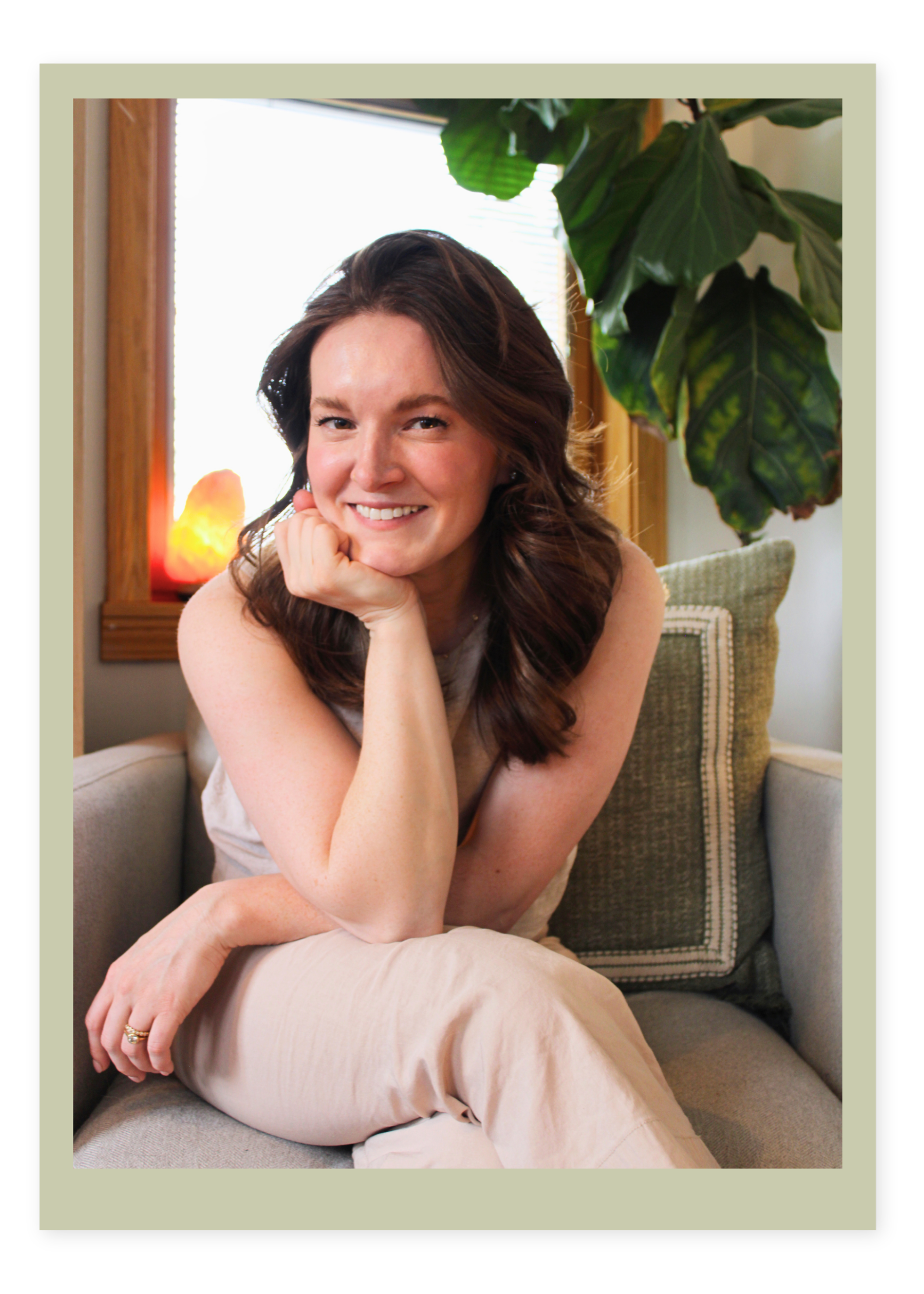
I work with adults and teens who have a sense that something is getting in the way and want to actually figure out what it is. A lot of my clients have tried therapy before. They're self-aware, they've done the reading, and the talking has only gotten them so far. That's usually a sign the work needs to go somewhere the words haven't reached yet.
I'm interested in what's underneath the patterns. Why do you keep doing the thing you don't want to do? What from the past is still showing up in your present? How do you build a steadier relationship with yourself so you're not just managing, but actually moving through it? Those are the questions I find most worth sitting with.
I bring EMDR, IFS, and somatic therapy into this work because I've seen what happens when people stop trying to think their way out of things and start working with what the body already knows.
I'm certified in EMDR and currently completing my IFS certification. I've put real time into these approaches because I've watched them do things that conversation alone couldn't.
I also bring myself into the room. I'm direct, I'm curious, and I'm not going to pretend I have all the answers. What I can promise is that I'll stay, I'll pay attention, and whatever you're holding, I can hold it with you.
If you're thinking about reaching out, that instinct is worth paying attention to. Most people who end up here spent a while wondering if they should. You don't have to have it figured out before you contact me. That's what the first conversation is for.